Ingredient notes
Four mushrooms, one small ritual
A closer look at the distinctive fungi inside Mushroom Focus Strips.
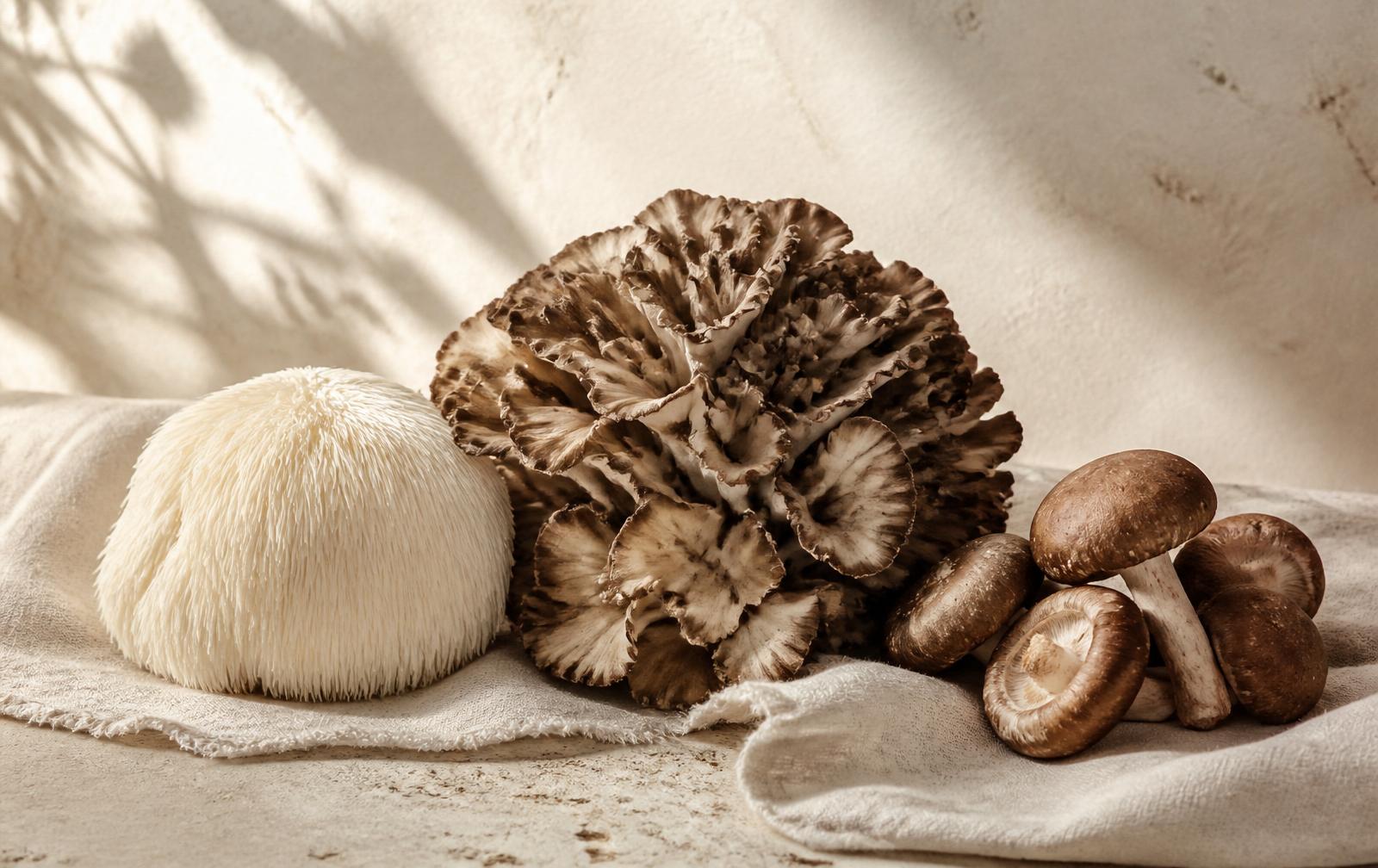
Mushrooms have always occupied an interesting place between the everyday and the extraordinary. Some belong naturally at the centre of a meal. Others have travelled through traditional practices and, more recently, into modern research. Inside Mushroom Focus Strips, four very different fungi meet in one small chocolate-flavoured format: Lion’s Mane, Maitake, Cordyceps and Shiitake. Each brings its own shape, history and scientific conversation.
Four distinct stories
A blend of four distinct stories.
“The interest is not that all mushrooms do the same thing. It is how different these four really are.”
Mushrooms are not interchangeable. Different species contain different natural compounds and carry different culinary or traditional histories. Research conducted on one species, preparation or dose cannot automatically be applied to another.
The Aurea formula brings four named mushrooms together in a convenient oral strip. The blend itself has not been clinically tested — the interest, for now, is in the ingredients and the ritual.
01
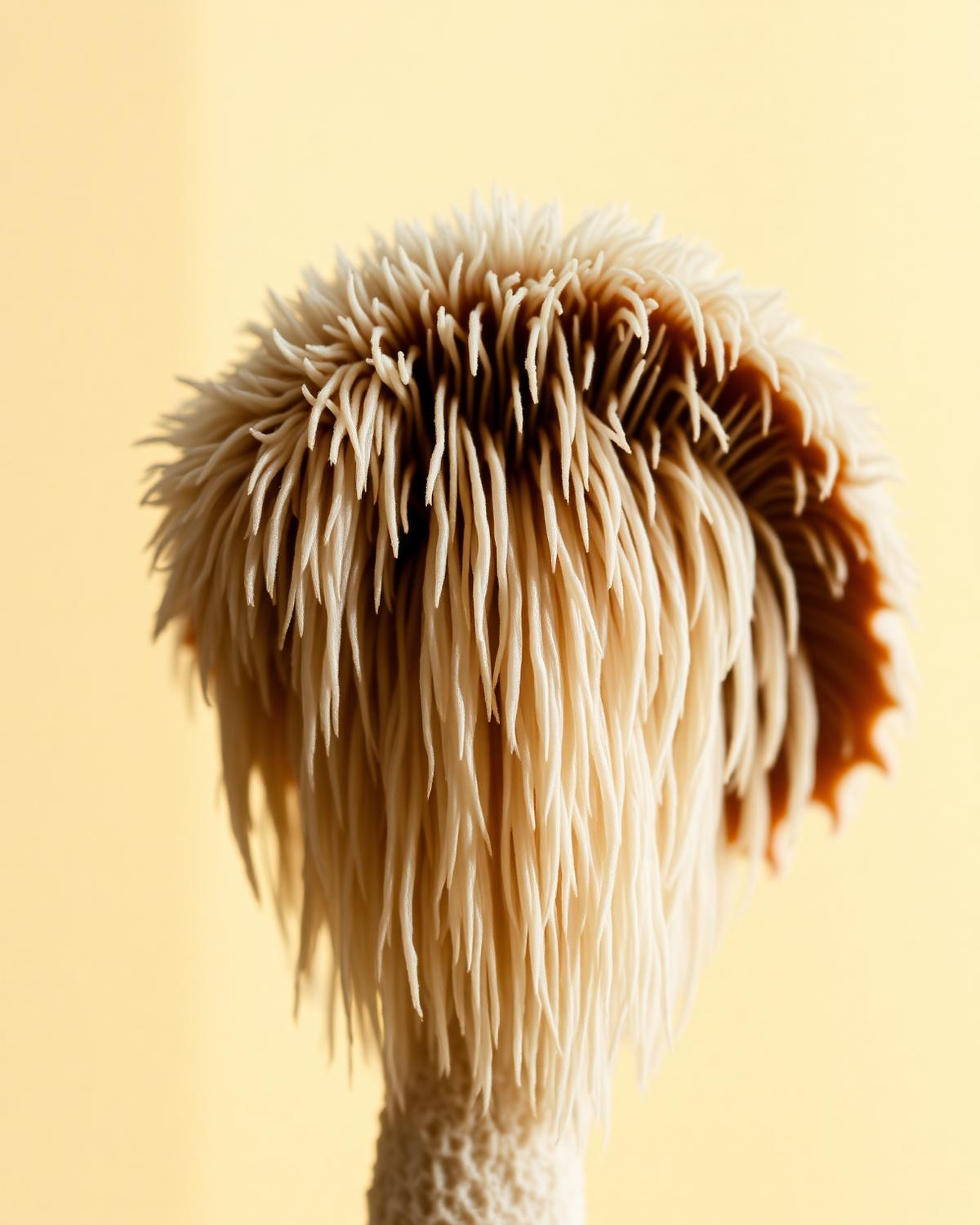
Lion's Mane
Hericium erinaceus
30 mg per strip
Lion's Mane is the unmistakable one. Rather than a familiar cap and stem, it grows in soft white cascades that resemble a mane or a frozen waterfall. It has a long history as an edible mushroom and has become the most recognisable fungus in the contemporary conversation around cognition.
Research note
Early human studies have investigated particular Lion's Mane preparations in relation to cognition and mood. The research is interesting but still limited, and the products and quantities used in studies are not equivalent to the 30 mg declared in this strip.
02
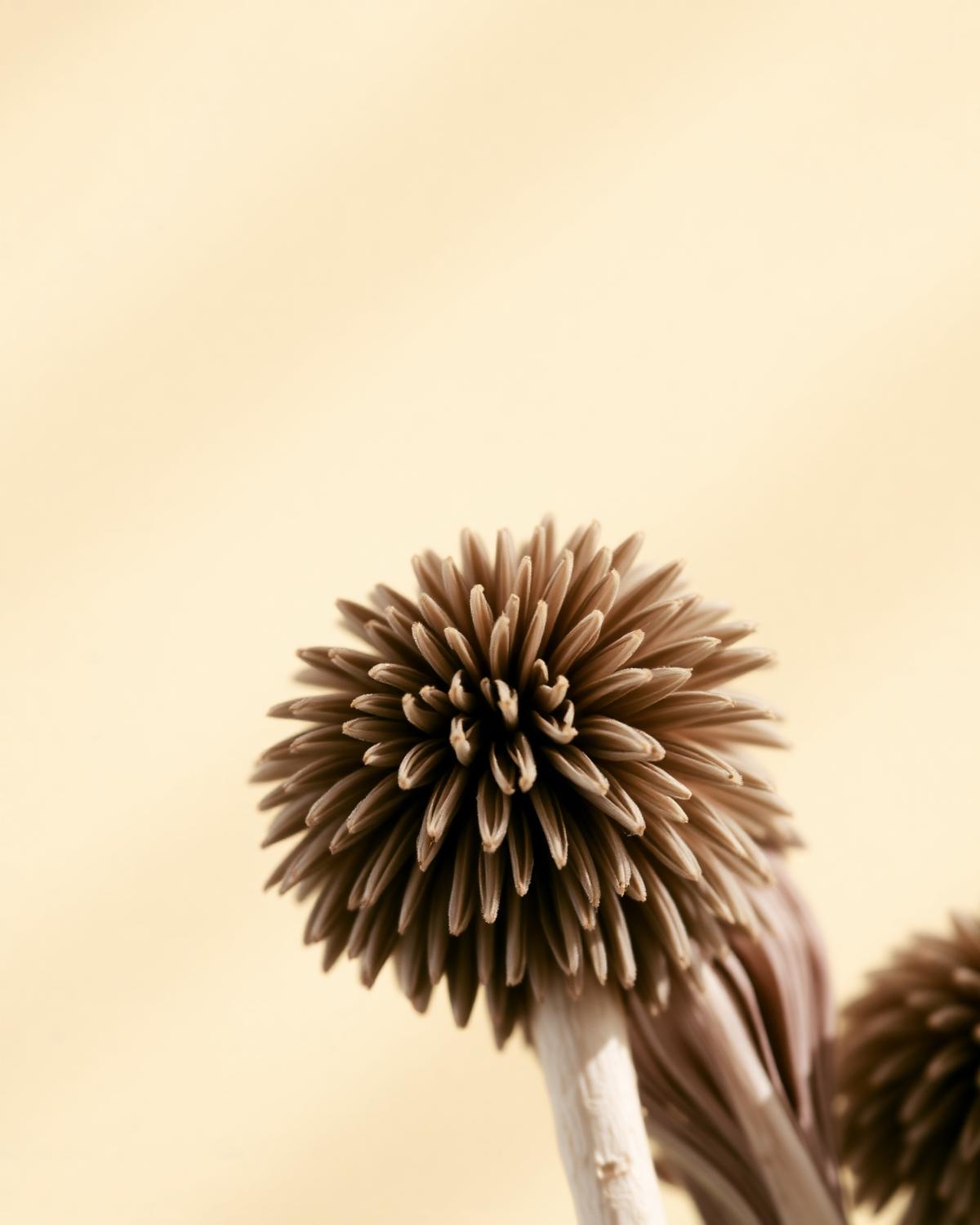
Maitake
Grifola frondosa
25 mg per strip
Maitake grows as an intricate gathering of overlapping fronds. Its Japanese name is often translated as ‘dancing mushroom,’ while in English it is also known as hen-of-the-woods. It is an edible mushroom with a deep culinary identity and a complex natural structure that continues to attract scientific interest.
Research note
Laboratory and preliminary research has explored Maitake's natural polysaccharides and other constituents. Systematic human evidence remains limited, so this article presents Maitake as an ingredient of interest — not as a proven treatment or immune intervention.
03
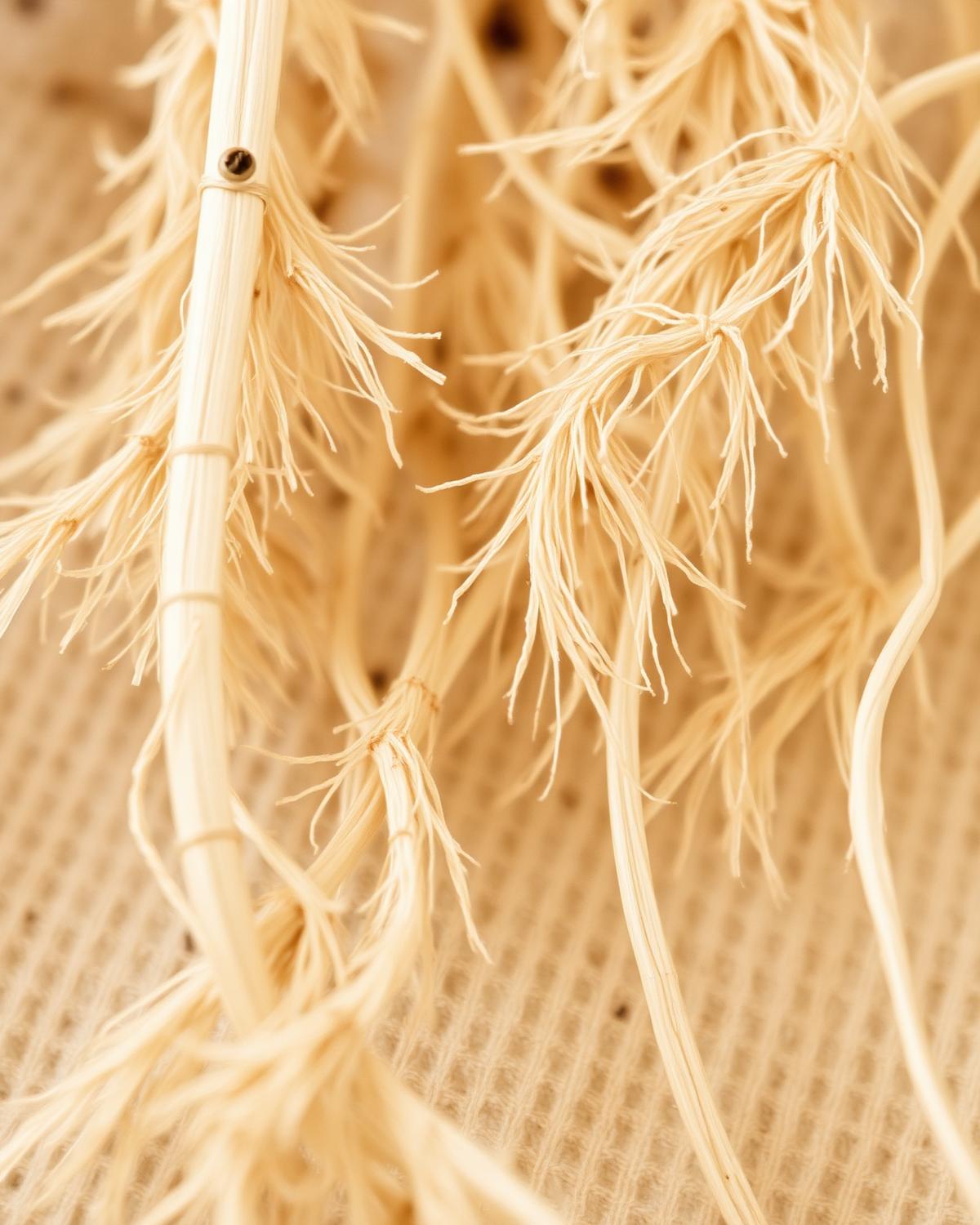
Cordyceps
Cordyceps sinensis
25 mg per strip
Cordyceps has perhaps the most unusual story of the four. It comes from a large and varied fungal group with a long place in traditional Asian practices. Modern researchers have studied specific Cordyceps species and preparations in exercise physiology, which has made the name especially familiar in active-wellness circles.
Research note
A small controlled study of a particular Cs-4 Cordyceps preparation used approximately 999 mg daily for 12 weeks. It reported changes in some exercise-threshold measures but not maximal oxygen uptake. That preparation and quantity are not equivalent to the 25 mg declared in Mushroom Focus Strips.
04
Shiitake
Lentinus edodes
20 mg per strip
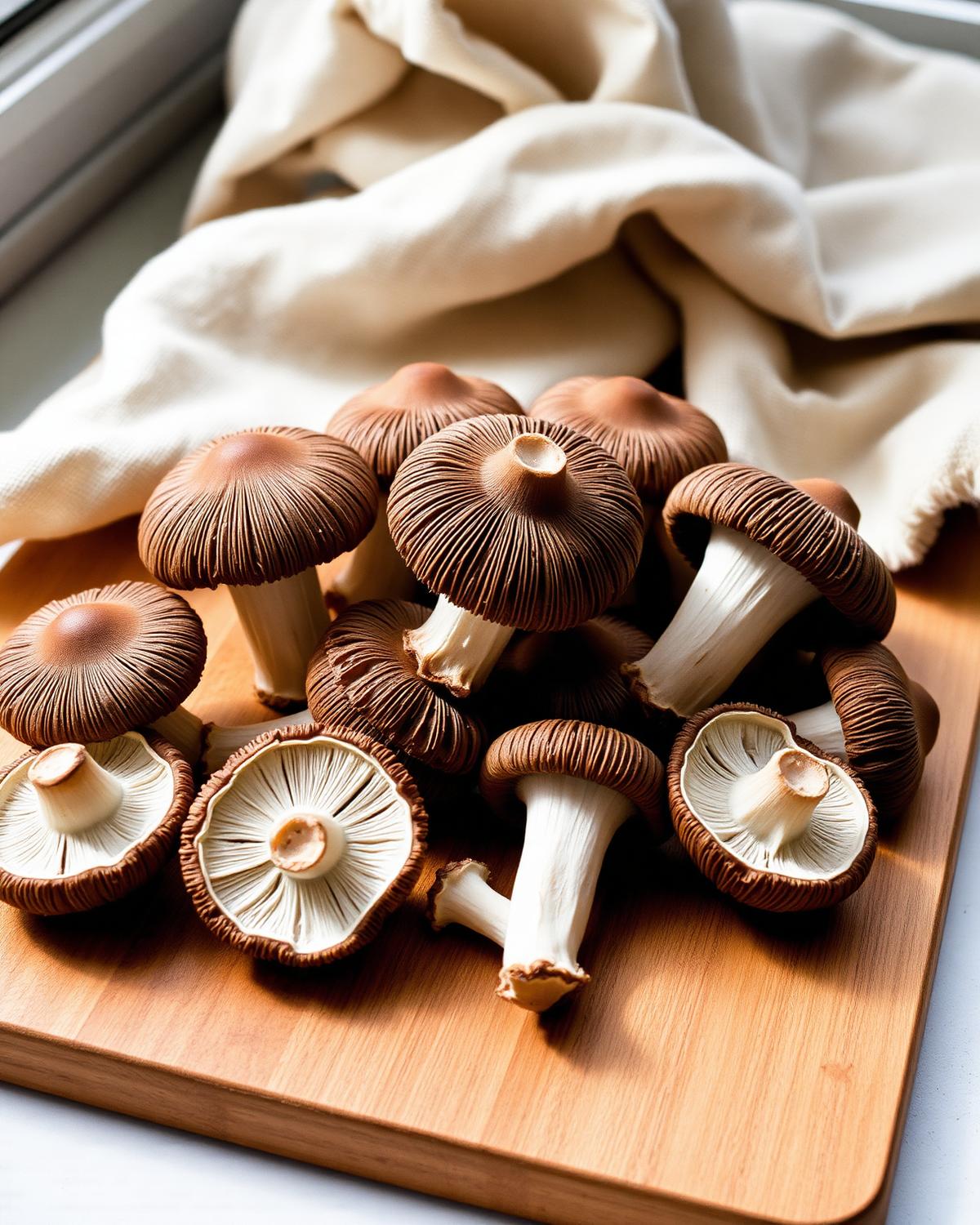
Shiitake is the most familiar at the table. Its deep savoury character has made it an important culinary mushroom across generations and cultures. That familiarity is part of its appeal: it connects the modern functional-mushroom conversation with an ingredient people have long recognised as food.
Research note
One human dietary study investigated 5 or 10 grams of whole dried Shiitake daily and measured changes in several immune markers. Whole mushrooms in gram quantities are not equivalent to the 20 mg ingredient amount in this strip.
Research, in context
What the research means here.
These mushrooms have all inspired research, but the details matter. Studies use particular species, fruiting bodies or mycelia, extracts, standardisations and quantities. Mushroom Focus Strips declare four mushroom ingredients, but the supplied label does not identify fruiting-body versus mycelium content, extraction ratios, beta-glucan levels or other standardisation details. We should not invent them.
What is established
- — These are four named fungal ingredients.
- — Each has a distinct culinary, traditional or scientific history.
- — The strip provides a convenient, chocolate-flavoured format.
- — The label declares 100 mg of mushroom ingredients in total.
What is not established
- — That the finished strip produces the outcomes reported in studies of other mushroom products.
- — That the ingredients are standardised extracts.
- — That the blend improves cognition, focus, energy, endurance, immunity or disease outcomes.
- — That oral-strip delivery makes the mushroom ingredients better absorbed.
Interesting ingredients deserve accurate stories. Curiosity and clarity can live on the same page.
The format
Why put mushrooms in a strip?
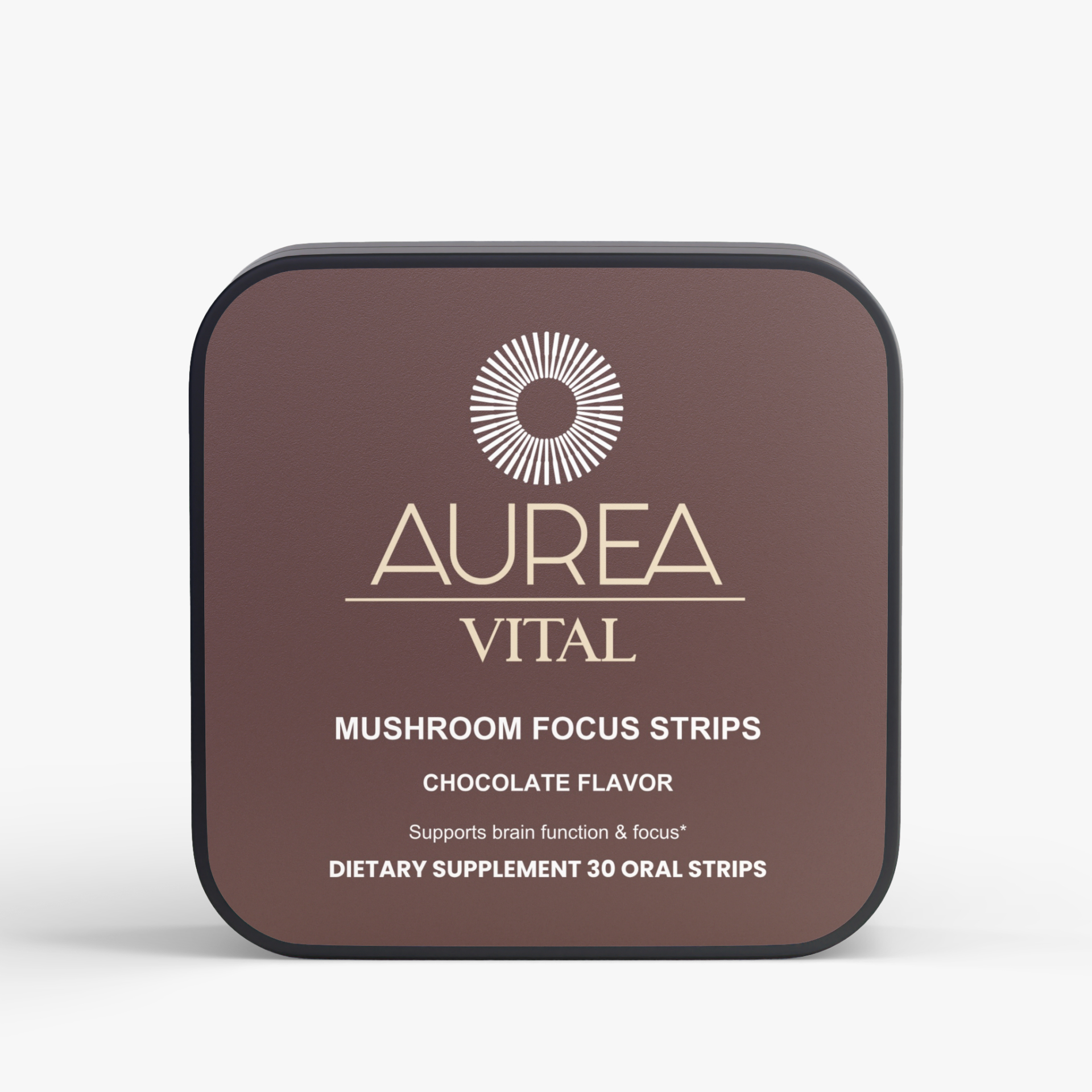
The innovation here is the format. Rather than a drink, powder or group of capsules, Mushroom Focus Strips place the blend in a smooth, chocolate-flavoured oral strip designed to dissolve on the tongue. It is compact, simple to carry and easy to place within an existing routine.
One strip
The label's suggested use is one oral strip daily.
Chocolate flavour
A familiar flavour around an unusual group of ingredients.
No mixing
No water, scoop or capsule is required.
Inside one strip
The declared formula.
Mushroom ingredients
- Hericium erinaceus (Lion's Mane)30 mg
- Grifola frondosa (Maitake)25 mg
- Cordyceps sinensis (Cordyceps)25 mg
- Lentinus edodes (Shiitake)20 mg
Other declared ingredients
Pullulan, cellulose, lecithin, chocolate flavour, monk fruit extract, medium-chain triglycerides, xanthan gum and steviol glycosides.
Flavour
Chocolate
Manufacturer’s country
India
Pack
30 strips
Suggested use
Place one oral strip on the tongue and allow it to dissolve before swallowing. Take one strip daily, up to a maximum of one strip a day.
Safety note
Do not exceed the recommended dose. Keep out of reach of children. Follow the complete directions, storage instructions, warnings and cautions on the final approved product label.
The considered view
Lion’s Mane draws the eye. Maitake unfolds in layers. Cordyceps carries an extraordinary history. Shiitake brings the familiarity of the kitchen. Together, they make Mushroom Focus Strips an engaging meeting point between old ingredients and a very modern format. The most positive story is also the most honest one: four distinctive mushrooms, clearly named, in a ritual small enough to keep.
Four mushrooms. One strip.
Mushroom Focus Strips
Lion’s Mane, Maitake, Cordyceps and Shiitake in a chocolate-flavoured daily format.
Explore Mushroom Focus StripsRelated notes

What NMN is, and isn’t
A clearer view of a small molecule with a large conversation around it.
Read the note

Why magnesium glycinate
The form of magnesium many people choose for a gentler evening ritual.
Read the note

An evening you actually keep
A short practice for winding down without theatrics.
Read the note
Further reading
These references describe research on the individual mushroom ingredients. They are not evidence for the finished Aurea Vital product.
- Menon et al., 2025 — Benefits, side effects, and uses of Hericium erinaceus as a supplement: a systematic review. pubmed.ncbi.nlm.nih.gov/40959699
- Surendran et al., 2025 — Acute effects of a standardised Lion’s Mane extract on cognition and mood in healthy younger adults. pubmed.ncbi.nlm.nih.gov/40276537
- Ulbricht et al., 2009 — Maitake mushroom: systematic review. pubmed.ncbi.nlm.nih.gov/19476741
- Chen et al., 2010 — Effect of Cs-4 Cordyceps sinensis on exercise performance in healthy older subjects. pubmed.ncbi.nlm.nih.gov/20804368
- Dai et al., 2015 — Daily consumption of whole dried Shiitake in healthy adults. pubmed.ncbi.nlm.nih.gov/25866155